Melanoma is a potentially fatal form of skin cancer and is most commonly diagnosed in New Zealand and Australia due to the hole in the ozone layer
Whilst it is good news that we have such good detection and treatment rates, it is vital that everyone is aware of what to look for on their own skin (and the skin of their loved ones) so that they know when to seek professional help.
Anyone can develop a melanoma but people with fair skin and lots of moles (more than a hundred) are more at risk. It is important to know your own skin and be alert to any changes. Ask a loved one to check for changes to moles in places that you may not be able to see yourself easily, such as on your back.
If you develop a new mole, get it checked by a skin cancer specialist to be on the safe side. Early detection and identification of skin cancers dramatically increase your chances of survival.

Changes to existing moles that could indicate a melanoma
Changes to existing moles that could indicate a melanoma include:
A – Asymmetry
Look carefully at your mole. If you drew a line down its centre, would it look the same on both sides of the line? Normal moles are symmetrical; an asymmetrical mole could indicate cancer.
B – Border
Look at the edge of your mole. Is it hard to see the edge, or is the edge uneven and jagged? These signs could indicate a cancerous growth. Normal moles have a smooth, even edge around them.
C – Colour
Is your mole the same colour all over? If the colour is uneven, darker in some places than in others, then it could be cancerous.
D – Diameter
Can you cover your mole with the eraser of a pencil? If it is bigger than a pencil eraser, even if it is otherwise ‘normal looking’, get it checked by a doctor. Normal moles do not grow bigger on adult skin.
E – Elevation
Does your mole or any part of it stand out from the rest of your skin? If so, get it checked.
Other melanoma signs and symptoms to look out for
Other melanoma signs and symptoms to look out for include:
- Itching (though normal moles can itch sometimes too)
- Pain
- Small brown dots or marks around an existing mole
- Bleeding
- Crusting caused by oozing fluid similar to when a scab is formed over a cut
It is essential that melanoma is detected as early as possible, before it has chance to spread. You can spot warning signs but it is important to check with a doctor if you have any concerns so that you can receive an early diagnosis and treatment.
More information here about melanoma surgery and treatment.
More detailed information can be obtained during a consultation with one of our plastic surgeons. Please contact the Institute for a consultation.
Request a consultation
More detailed information can be obtained during a consultation with one of our plastic surgeons. Please contact the Institute for a consultation.
Our Plastic Surgeons

Skilled and experienced plastic surgery experts
All four specialists are New Zealand trained plastic and cosmetic surgeons with a vast surgical experience over many years and many thousands of patients.
Our Practice
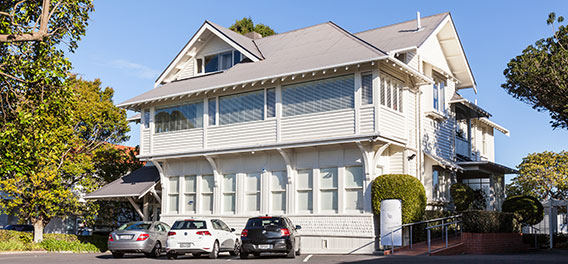
Prominently positioned in Remuera, Auckland
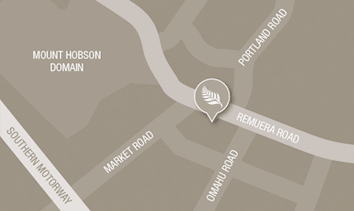
Our practice is the largest private plastic and cosmetic surgical practice in New Zealand, located at 243 Remuera Road, Auckland with spacious, modern consulting rooms and ample parking.
Request a complimentary consultation
Meet with our nurses for a complimentary, no obligation cosmetic surgery consultation to discuss procedures, processes and costs